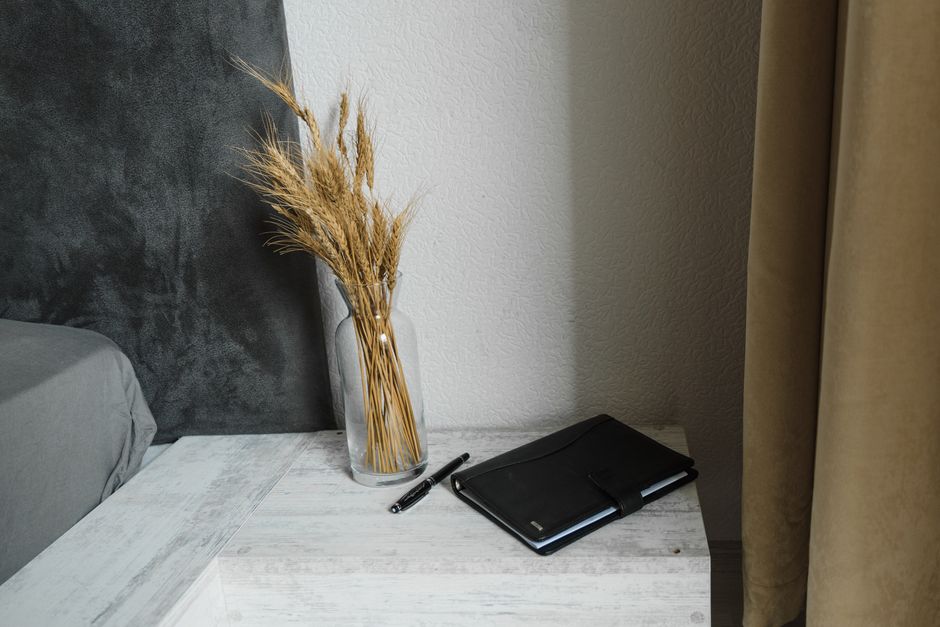
At 7:15 AM, the kitchen counter is cluttered with the remnants of a rushed breakfast, and the planner remains closed on the table. The morning routine feels like a race against the clock, but the clock is winning. The work clothes, still crumpled from the night before, sit in a pile, waiting to be put on. As the minutes slip away, the usual sequence of getting dressed, checking the planner, and preparing for the day begins to unravel. The pressure mounts as the realization sets in: a late start has thrown off the entire rhythm.
In the chaos of the moment, laying out clothes the night before seems like a distant memory. Instead of a smooth transition from breakfast to work, the morning routine breaks as soon as it starts late, creating a domino effect. Without the planner opened and ready to guide the day’s tasks, important items slip through the cracks. The small habit of preparing the night before could have set a different tone, but now, the morning feels disjointed and frantic, leaving no room for the usual checkpoints that keep everything on track.
The Expected Morning Routine
The kitchen counter is a crucial staging area for a successful morning. Laying out clothes the night before not only saves time but also sets a clear intention for the day. A neatly folded shirt and pressed trousers sit ready, eliminating the frantic search for work attire that can derail the morning. When this simple step is skipped, the result is often a scramble to find something appropriate, leading to a later start and a disorganized mindset.
After getting dressed, the next logical step is to review the planner. This should happen while pouring a quick bowl of cereal or brewing coffee. The planner, often left closed on the table, holds the key to prioritizing tasks for the day. Without opening it, important deadlines or meetings may slip through the cracks. A quick glance at the planner while sipping coffee can clarify the day's focus, ensuring that the most pressing tasks are at the forefront.
Integrating these actions into an evening routine can create a smoother morning experience. Preparing a quick breakfast, like overnight oats, can further streamline the process. This way, the morning routine flows from one task to the next, rather than feeling like a series of disjointed actions. When the evening routine is executed properly, the morning feels less rushed, and the entire day can start on a more organized note.
Where the Routine Breaks First
The alarm clock buzzes, but the snooze button gets pressed more than once. This leads to a hurried wake-up, where the morning feels like a race from the start. As the apartment dweller stumbles out of bed, the chaos begins to set in. With barely enough time to get dressed, the first snag occurs: work clothes are still on longer than intended, creating a delay that ripples through the entire morning.
On the kitchen counter, the planner remains closed, a silent witness to the unfolding chaos. Without opening it, the day’s priorities fade into uncertainty. The quick glance that should happen while pouring coffee or grabbing a piece of toast never materializes. This oversight means important meetings or deadlines risk slipping through the cracks, compounding the morning’s already shaky foundation.
As the clock ticks, the sequence of tasks falters. Instead of smoothly transitioning from getting dressed to reviewing the planner, the routine breaks. The decision to lay out clothes the night before could have mitigated this scramble, allowing for a more organized start. Instead, the morning routine devolves into a frantic scramble, with each missed step leading to a cascading effect of disorganization.
Why This Failure Becomes a Habit
A slightly different version of this problem appears in Everyday Life In The, where the sequence changes but the hidden drag feels familiar.
Rushing through the morning routine often leads to forgetfulness and poor decision-making. With the clock ticking, the pressure mounts, resulting in skipped steps that can cascade into a chaotic start. For example, the kitchen counter is cluttered with yesterday's mail, and the planner remains closed, which means the day’s priorities fade into the background. This lack of a visual cue increases the chance of drifting through the morning without a clear direction.
- Stress from being late amplifies the tendency to skip checking the planner.
- Each rushed moment can lead to a missed step, like forgetting to lay out clothes the night before.
- With the planner closed, the risk of overlooking important tasks grows, compounding the morning’s chaos.
At this point, the hidden cause is clear: the pressure of time forces decisions to be made on the fly, often resulting in poor choices. The tradeoff here is that while trying to save time by skipping the planner check, you end up losing even more time later in the morning. As the first work block begins, the routine feels disjointed, and the day is set on a shaky foundation.
A Small Correction That Holds Up
If this pattern keeps repeating, Daily Routines Real Life extends the idea without leaving the niche.
When the morning routine starts late, the first thing to slip is often the decision to lay out clothes the night before. Instead of preparing for the day, the work clothes remain crumpled in the closet, adding unnecessary friction. This small oversight can lead to a frantic search through drawers, wasting precious minutes that could be spent on more critical tasks. Simply placing the outfit on the kitchen counter the night before can eliminate this chaos, ensuring it’s the first thing seen in the morning.
To further streamline the process, create a designated spot on the kitchen counter for work clothes. This small adjustment not only makes them more accessible but also serves as a visual reminder to check the planner first thing in the morning. Set a reminder on your phone to open the planner as soon as you wake up, making it a part of the morning routine. This way, you can quickly align your day’s priorities without the planner remaining closed and forgotten. By shifting these tasks to the night before and establishing a clear spot for clothes, the morning can start with more focus and less scrambling.
One Checkpoint That Makes a Difference
During a late-start weekday morning, the kitchen counter can quickly become a battleground of forgotten tasks. The planner, often left closed on the table, becomes a silent witness to the chaos. To combat this, place the planner right next to the coffee maker. This simple adjustment transforms it into a visual cue, prompting a quick review of the day’s priorities while the coffee brews. The aroma of fresh coffee can serve as a gentle nudge to open the planner and align your tasks before diving into the day.
In addition to this placement, implement a checklist for morning tasks. Write down the essentials on a small notepad and keep it near the coffee maker as well. This ensures that no critical steps—like laying out clothes or packing lunch—are overlooked. Set a timer for 10 minutes after pouring your first cup to focus solely on reviewing your checklist. This small but structured moment not only helps maintain consistency in your routine but also prevents the frantic scrambling that often occurs when the day starts late.
What Changes Once That Fix Repeats
As the sun rises and light spills into the kitchen, the first task is no longer a frantic search for clothes. Instead, a neatly arranged outfit sits on the counter, ready to go. This simple act of laying out clothes the night before shifts the entire morning dynamic. No longer does the clock tick away while you rummage through the closet, pulling out options that clash or don’t fit the day’s agenda.
With the clothes prepped, the next time block opens up. Instead of scrambling to dress, you can pour a cup of coffee and take a moment to check your planner, which now sits conveniently next to the coffee maker. This placement turns it into an automatic checkpoint. You glance at the day’s priorities while the coffee brews, allowing you to mentally align with your tasks. The planner, once closed and ignored, now serves as a proactive tool, guiding your focus.
Each morning that this small adjustment is repeated reinforces the habit. The evening routine becomes a seamless part of the day, easing the transition into the morning. The chaotic energy of a late start fades, replaced by a calm readiness. However, the tradeoff is that you must remember to commit to this evening ritual consistently, ensuring the clothes are laid out each night. If missed, the old scramble can easily creep back in, reminding you that even small habits require diligence.
As the morning routine slips into chaos, the simple act of laying out clothes the night before becomes a crucial anchor. When the outfit is ready on the kitchen counter, it eliminates the frantic search for matching items, allowing for a smoother transition into the day. This small adjustment can make all the difference, especially when the planner remains closed on the table, and the clock ticks down. The moment you pause to dress becomes a chance to reset your mindset, rather than a scramble.
In the hustle of a late-start morning, it’s easy to overlook these minor checks. However, committing to this evening ritual not only streamlines the morning but also reinforces the habit of preparation. Make it a point to check that your clothes are laid out before heading to bed, transforming a potential morning meltdown into a manageable start. This one small move can help keep your weekday routine from drifting into disarray.