It’s a Tuesday morning, and the kitchen counter is cluttered with reminders of yesterday’s chaos. A half-packed bag sits next to a forgotten umbrella, which never made it to the door. As the clock ticks closer to the time to leave, the realization hits: work clothes have been on longer than intended, and the morning routine feels more like a frantic scramble than a smooth start. The coffee maker gurgles softly, but the usual comfort of that sound is drowned out by the looming pressure of time.
Small adjustments can make a significant difference, yet the setup often relies too heavily on fleeting motivation. For instance, placing the packed bag by the door the night before could streamline the morning process. This simple act not only serves as a visual reminder but also alleviates the mental load of remembering to grab it last minute. By identifying these friction points and addressing them with tangible changes, the path to a more organized morning begins to unfold, paving the way for a more productive day ahead.
The Morning Rush: When Motivation Fades
The kitchen counter is a chaotic mix of bags, shoes, and a half-finished cup of coffee, all remnants of a morning that started with good intentions but quickly unraveled. The clock ticks ominously, reminding me that I’m running late. Work clothes still cling to my body, a stark reminder that I’ve lingered too long in the comfort of home. The coffee maker hums in the background, but instead of energizing, its sound feels like a countdown to chaos.
As I glance at the clutter, I realize the packed bag, which should have been placed by the door last night, is still on the kitchen counter, hidden beneath a pile of shoes. This missed step adds to the mounting pressure, making it easy to forget essentials. If I had moved the bag to a visible spot, grabbing it would have been automatic, cutting down on the frantic search that now consumes precious minutes. The setup relies too much on the fading motivation of the moment, turning what should be a smooth exit into a race against time, where small habits slip through the cracks, and the day feels like it’s already lost before it begins.
The First Sign of Trouble: Clutter and Distraction
This same friction shows up again in Everyday Life In The, especially when the day tightens unexpectedly.
The kitchen counter is a battleground of half-finished tasks and forgotten items. This morning, the umbrella remains stubbornly in the corner, a silent witness to my disorganization. Each time I glance at it, I’m reminded of the rain forecasted for later, yet it stays put, a missed opportunity to streamline my exit. The clutter around me—shoes, bags, and unwashed dishes—only amplifies the feeling of chaos. I know I should have moved the umbrella to the door last night, but now it’s just another thing weighing on my mind.
As I navigate this mess, my phone buzzes incessantly with notifications, pulling my focus away from the task at hand. Each ping is a distraction, drawing me into a vortex of emails and messages that can wait. I catch myself scrolling through the screen, losing precious minutes that I can't afford. This is the moment I realize my bag isn’t packed yet, a crucial step that should have been completed last night. Panic sets in as I scramble to gather my essentials, feeling the clock tick away.
In a last-ditch effort to regain control, I decide to place my packed bag right by the door, where I can’t miss it. I take a moment to clear a space on the counter, pushing aside the clutter to create a designated spot. This small adjustment might seem trivial, but it transforms my morning routine from a chaotic scramble into a more manageable process. If I can just remember to check that spot before heading out, I might avoid the panic of forgetting something important. But for now, I’m left racing against time, acutely aware of how easily my morning can spiral into disorder.
Why Friction Happens: The Setup Relies Too Much on Motivation
A slightly different version of this problem appears in Daily Routines Real Life, where the sequence changes but the hidden drag feels familiar.
As I stand in the kitchen, the sunlight streaming through the window, I realize my morning routine is slipping away from me. The coffee pot gurgles softly, but my mind is racing with thoughts of what I still need to do. My work clothes, neatly laid out the night before, sit untouched on the counter, a stark reminder of my good intentions. The motivation I had when I first woke up is fading fast, and I can feel the weight of the day pressing in.
Relying on willpower alone to drive my morning actions has proven inconsistent. I often find myself distracted, scrolling through notifications on my phone instead of focusing on packing my bag. The umbrella, which should be by the door for easy access, remains in the corner of the kitchen, forgotten. This hidden step—a simple act of moving it to a visible spot—could save me precious minutes when I’m running late. Yet, each day, I overlook it, thinking I’ll remember later.
Good intentions don’t always translate into action. I often skip the crucial step of setting up my bag the night before, thinking I’ll have time in the morning. But as the minutes slip away, I’m left scrambling, searching for my laptop charger and keys. Moving the bag to the door is a small habit that could streamline my exit, but without that initial setup, I’m left fighting against my own motivation. The friction in my routine is a direct result of these overlooked details, turning what should be a smooth start into a chaotic rush.
A Simple Adjustment: Pre-Packing the Night Before
On a recent weekday morning, I found myself staring at a cluttered kitchen counter, overwhelmed by the remnants of a hasty breakfast. My work clothes, still draped on a chair, were a constant reminder of the time slipping away. As I rushed to pack my bag, I realized I had skipped the crucial step of preparing the night before. Essentials like my laptop, charger, and lunch were scattered across the house, and I had to scramble to gather them, wasting precious minutes.
To counter this chaos, I decided to implement a simple yet effective change: pre-packing my bag the night before. This meant placing my work clothes directly into the bag and keeping my lunch ready in the fridge. I also made a checklist of key items to ensure nothing was forgotten, which I pinned to the fridge door. The act of moving the umbrella to the entryway made it visible and accessible, eliminating the last-minute rush when rain unexpectedly hit. This small adjustment transformed my morning routine, allowing me to leave the house with a sense of calm.
By shifting the packing sequence to the evening, I not only reduced the friction of my morning but also created a more consistent habit. Each night, I could check off items on my list, reinforcing the routine and making it easier to remember everything I needed. The friction I previously experienced—running late due to disorganization—was replaced with a smoother, more predictable start to my day. This simple act of preparation has become a vital part of my daily reset, ensuring I’m ready to tackle the day ahead.
Quick Checkpoint: What to Place Where You Can See It
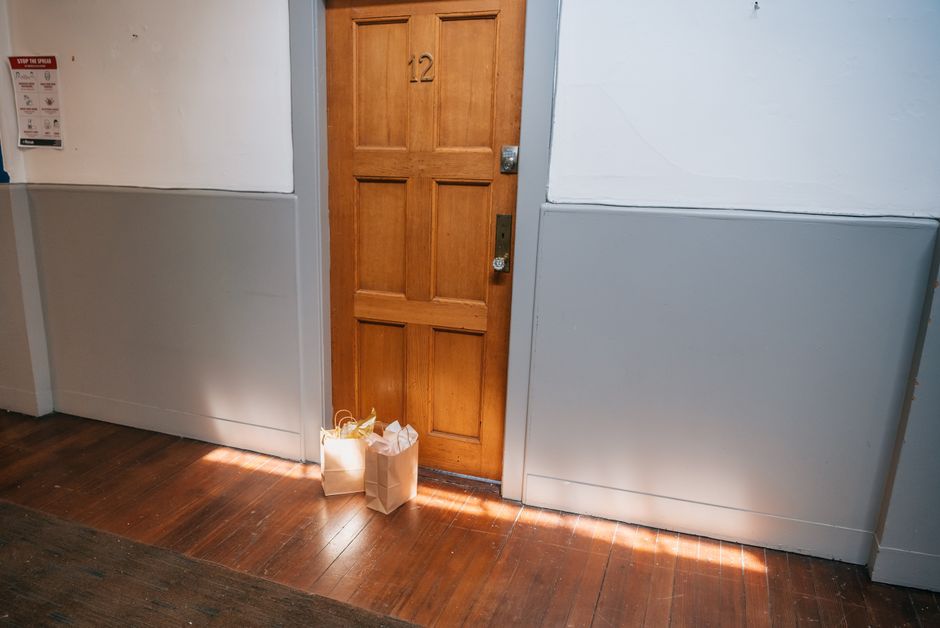
Setting up your morning routine for success often hinges on visibility. The night before, place your packed bag right by the front door. This simple act not only serves as a visual cue but also eliminates the last-minute scramble that often leads to forgetting essential items. When you wake up, the bag is the first thing you see, prompting you to quickly check it before heading out.
On the kitchen counter, sticky notes can act as gentle reminders for crucial tasks or items you might overlook. Write down specific notes like "Check the weather" or "Grab the umbrella" and stick them where you’ll notice them while making breakfast. This small adjustment can significantly reduce friction, especially on days when the weather is unpredictable.
A quick check of the weather app during your morning coffee can help you decide if you need to grab a jacket or an umbrella. If rain is in the forecast, having the umbrella already moved to the door will save you from a last-minute dash back inside. By incorporating these visual reminders and checks, you streamline your exit process, making it less about motivation and more about habit and preparation.
The Ripple Effect: How One Change Transforms Your Day
On a recent weekday morning, the kitchen counter was cluttered with items waiting to be packed into my bag. The work clothes I had laid out the night before lingered longer than intended, creating an unnecessary delay. By simply placing my bag by the door the night before, I could have streamlined my exit. This small shift not only makes it easier to grab my essentials but also serves as a visual cue, reminding me to check for anything I might have missed.
As I stood there, I realized that the umbrella, which often gets left behind, was still sitting on the kitchen counter. Moving it to the door would eliminate the last-minute scramble on rainy days. By making this adjustment, I can leave the house with confidence, reducing the stress that often accompanies a late start. Arriving at work on time becomes less of a scramble and more of a routine, allowing me to step into my day feeling focused and prepared.
Establishing this consistency not only enhances my morning routine but builds a foundation for the rest of my day. Each small habit, like checking the weather app while I brew my coffee, reinforces a smoother transition into my workday. The cumulative effect of these changes lessens the mental load, making it easier to tackle the tasks ahead without feeling rushed or frazzled. This simple act of preparation can transform a chaotic morning into a manageable routine, setting a positive tone for the day.
As I stand in the kitchen, the lingering chaos of a late start reminds me of the importance of small adjustments. One concrete action I can take is to place my work clothes on the kitchen counter the night before. This simple act not only makes them visible but also serves as a gentle prompt, reducing the chances of them staying on longer than intended in the morning rush. By eliminating that last-minute decision about what to wear, I streamline my routine, allowing for a smoother transition into my day.
Another missed check is ensuring my umbrella is at the door instead of tucked away in the closet. Moving it to a visible spot means I won’t forget it on rainy mornings, which further eases my exit. Each small habit I build reinforces a more manageable morning routine, making the daily reset feel less like a scramble and more like a well-oiled system. With these adjustments, I can step out the door ready to tackle the day ahead.
