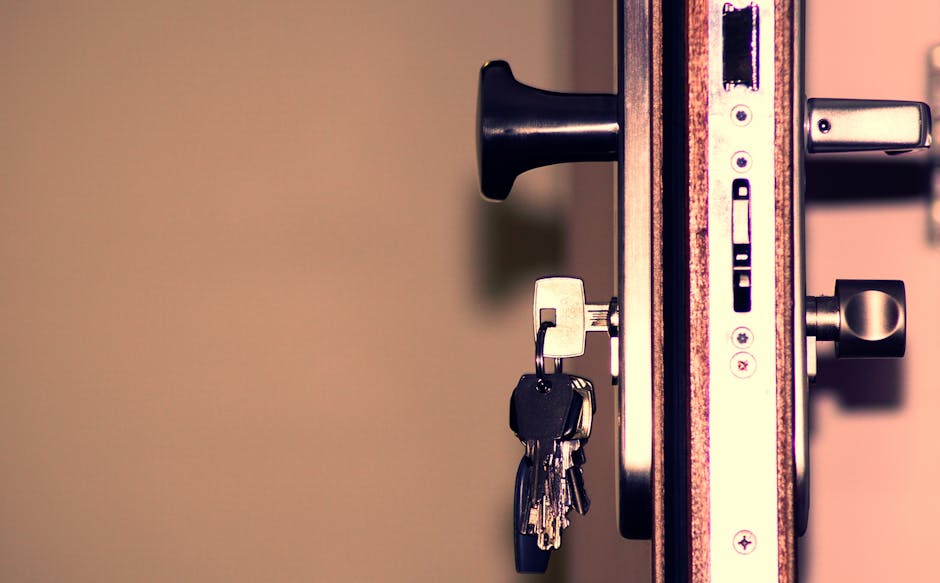
As the sunlight filters through the half-drawn blinds, I stand in the cramped hallway of my apartment, juggling my keys, a notebook, and a bag that seems to have grown heavier overnight. It’s a late-start weekday morning, and the clock is ticking faster than I’d like. I glance at the planner lying closed on the table, a silent witness to my intentions for the day. Breakfast items, which I had meant to set out the night before, remain tucked away in the kitchen, adding another layer of friction to an already rushed start. The work clothes I had planned to wear are still crumpled on the chair, a reminder of the time lost to indecision and distraction.
This morning routine is a delicate dance where each step matters. With too many tasks hidden until the moment begins, I find myself scrambling through the hallway, searching for my shoes while trying to remember if I packed my lunch. The small habit of laying out my clothes the night before could ease this chaos, but it often slips my mind. As I fumble with my bag, I realize that the simple act of checking off one task can set off a chain reaction—without it, I’m left feeling disorganized and pressed for time, which only compounds the morning’s problems.
The Morning Moment That Slips Away
The hallway drop zone is a chaotic mess of bags, shoes, and scattered items, a stark reminder of the morning rush. As I glance at the clock, the hands creeping closer to my departure time, I realize I’ve lost precious minutes. My planner sits closed on the table, a silent testament to my disorganization. I had intended to map out my day, but that task slipped away in the haze of my late start.
In this moment, I scramble to gather my essentials. I reach for my bag, but it’s buried under a pile of shoes that I meant to put away last night. Each item I pull out feels like a small setback, adding to the urgency of the moment. I know I should have laid out my work clothes and breakfast items the evening before, but that simple habit often gets overlooked in the chaos of the day before.
As I finally manage to grab my shoes and slip them on, I notice the half-opened drawer where I keep my keys. I had planned to check it earlier, but it was overshadowed by the need to find my notebook. This small oversight compounds the morning's problems, creating a ripple effect where each task left undone makes the next one harder. The clutter in my hallway isn’t just physical; it reflects the mental load of a morning routine that feels increasingly unmanageable.
The Overlooked Step That Delays Everything
This same friction shows up again in Everyday Life In The, especially when the day tightens unexpectedly.
Work clothes linger longer than intended, a telltale sign of a morning routine gone awry. As I stand in the hallway, I’m already feeling the pressure of time slipping away. The breakfast items, still tucked away in the fridge, mock me from their cool confines. I had meant to set them out the night before—yogurt, granola, and a banana—simple enough to grab in the morning, yet I forgot in the flurry of packing my bag and checking my planner, which remains closed on the table.
Each moment wasted feels compounded by the clutter around me. I fumble with my shoes, which are still scattered near the door, and I can’t help but notice how the small decision to skip preparing my breakfast adds unnecessary stress. The act of pulling out my work clothes from the closet becomes a race against the clock, and I can’t shake the feeling that I’m scrambling. If I had just moved that one step to the night before, I could have saved precious minutes.
Now, I’m faced with a choice: do I rush through breakfast and risk feeling unfocused at work, or do I take a moment to grab something quick, which feels like a compromise? The hallway drop zone, cluttered with bags and shoes, reflects the mental load of a routine that feels increasingly unmanageable. Each task left undone makes the next one harder, and I’m left to wonder how a single missed step can derail an entire morning.
How a Small Mistake Snowballs
A slightly different version of this problem appears in Daily Routines Real Life, where the sequence changes but the hidden drag feels familiar.
The moment I realize I’m running late, the weight of my morning decisions hits hard. I grab my bag from the hallway drop zone, but my planner remains closed on the table, a silent witness to missed appointments. The thought of not reviewing my day’s schedule adds a layer of anxiety as I rush out the door. I can’t shake the feeling that skipping the step of setting out breakfast items the night before has set off a chain reaction, making the rest of my morning feel chaotic.
As I hurry down the stairs, I can already sense the impact on my commute. The usual bus I catch is now out of reach, and I’m left waiting at the stop, feeling the minutes slip away. Each second feels compounded by the earlier choices, and the clutter of my hallway echoes the disarray in my mind. The longer I wait, the more I realize that the missed check on my planner means I might forget a crucial meeting. This small oversight, a simple decision to skip one step, has snowballed into a morning fraught with stress and uncertainty, leaving me to wonder how to regain control of my day. A Simple Fix for a Smoother Start The chaos of a late-start morning often begins with a single overlooked detail. In my case, it’s the decision to skip setting out breakfast items the night before. Instead of a quick grab-and-go, I find myself rummaging through the fridge, searching for yogurt and granola while the clock ticks away. Each minute lost feels like a small victory for chaos over order, and I can already sense the ripple effect on my day.
Contrast this with the smoother transition that comes from preparing the night before. By placing my work clothes neatly on the chair in the hallway drop zone, I eliminate the morning scramble. When I wake up, I can slip into my outfit without hesitation, allowing me to focus on other tasks. This simple act of laying out clothes not only saves time but also clears my mind for the day ahead.
To further streamline my routine, I’ve started checking my planner before bed, ensuring I’m aware of any early meetings or deadlines. This small adjustment—moving the planner from the table to my bag—means I can quickly glance at it while I’m grabbing my keys. It’s a tiny shift, but it anchors my morning and helps me avoid the anxiety of forgetting something important. The cumulative effect of these adjustments transforms my mornings from frantic to functional, setting a positive tone for the rest of the day.
Recognizing Patterns in Daily Routines
Standing in the hallway, I often find myself staring at the pile of items on the drop zone: my bag, keys, and an unopened planner. Each morning, the same friction point arises—my work clothes linger on the chair longer than intended, delaying my exit. This visible clutter reflects a deeper issue in my morning routine: I’m missing crucial steps that could streamline my start.
To tackle this, I’ve begun creating a checklist for my evening prep. Before bed, I jot down essential tasks in a small notebook. The first item? Set out breakfast items on the counter. Next, I place my work clothes on the chair in the hallway drop zone. By doing this, I eliminate the morning scramble and reduce decision fatigue. Each evening, I check off these steps, which helps solidify this habit. The act of preparing the night before transforms my mornings from chaotic to manageable.
However, there’s still a gap. My planner remains closed on the table, often forgotten until I’m rushing out the door. This missed check leaves me vulnerable to forgetting important meetings. To bridge this gap, I’ve decided to move the planner into my bag as part of my evening routine. Now, when I grab my keys, I can quickly check my schedule. This small adjustment not only keeps me organized but also reinforces a consistent habit of preparation, making my morning routine feel less like a race against time.
As I stand in the hallway, resetting my bag and checking my keys, I realize that the hidden steps in my late-start weekday routine often lead to unnecessary stress. The planner, still closed on the table, serves as a reminder of how easily I can overlook crucial elements that keep my day on track. Each time I forget to check it, I risk missing important tasks or meetings, which compounds the chaos of my mornings.
To address this, I’ve decided to place my planner directly in my bag each evening, right alongside my work clothes. This simple adjustment ensures that when I grab my bag in the morning, I also have my schedule in hand, ready for quick reference. By recognizing these overlooked steps, I can transform my routine into a more consistent system, reducing friction and making my mornings feel less rushed.
